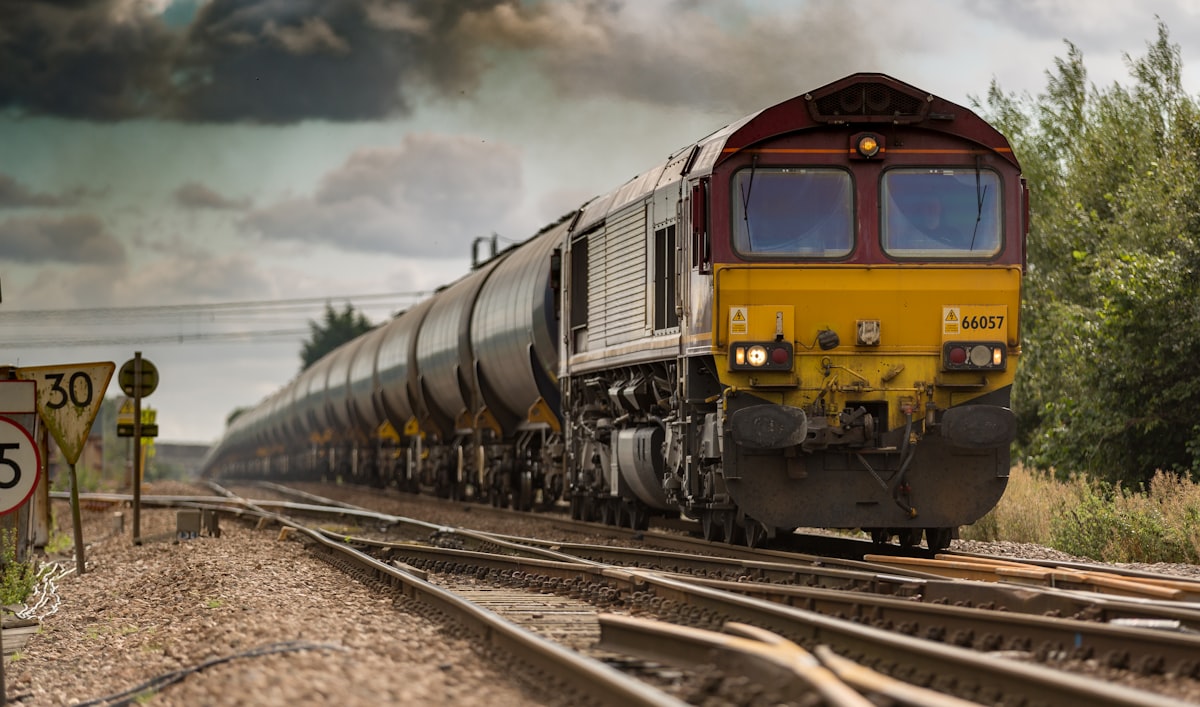
A delay is local before it is a network statistic
When a train stalls, the story starts at the station where people are actually standing. We note the clock time, the direction of travel, and whether the next bus was already full. Official statements matter; they are not the whole file. If an operator later revises a cause, we update the page rather than leaving the first cause as folklore.
Bus copy follows the same rule. A diverted service is described with the roads we checked, not only the service number. Interchange crowding at the last bus of the night is a different story from a midday short-working. We do not invent waiting times. If we did not measure a wait, we do not print a number.
Cycling and walking appear when a path is closed, a crossing is moved, or a new sheltered link changes a school or shift-work commute. First-and-last-mile is not a slogan here; it is the minutes between the gantry and the lift lobby. Housing knock-ons, such as a car-park closure during upgrading, are shared with Housing.